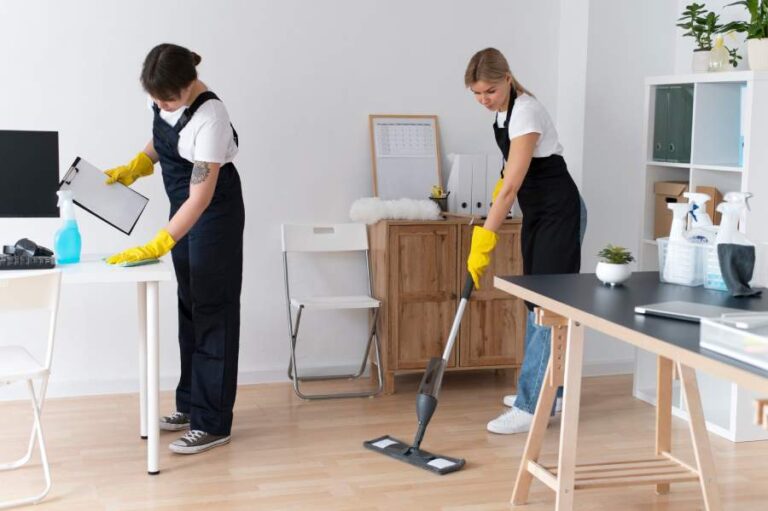
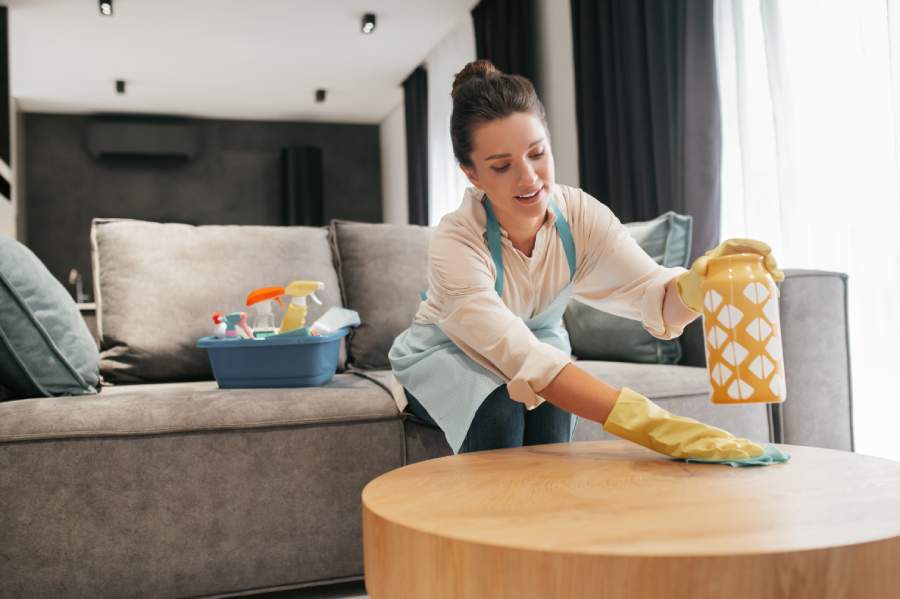
Check-out is 11 a.m. The next guest can walk in at 4. Five hours sounds like plenty until you count what has to fit inside it. This is what a local Airbnb cleaner actually does with that window, and why it’s a different job from a regular house clean.
Key Takeaways
- A turnover runs on a hard deadline, with every task in a set order to hit it.
- Laundry sets the timeline, so it goes on first and the rest of the clean works around the cycle.
- The professional part is the stuff guests never see: the sanitizing, the damage checks, and the photo sign-off at the end.
The clock is the whole story with a turnover. Five hours to reset the entire place, and a laundry cycle nobody can speed up eats a big chunk of it.
Which is why hosts lean on a specialized local Airbnb cleaner instead of whoever does their own house. The job rewards speed and a fixed routine more than a slow, thorough scrub. Same order, every time, fast enough to beat the clock. Miss the window, and you’re either canceling a guest or handing over a place that isn’t ready.
So here’s the real run of a turnover day, front to back. Not the tidy version. The actual order it happens in.
The 11:05 AM Damage and Lost-and-Found Sweep
Before a single surface gets wiped, there’s a walk-through. The cleaner moves room to room looking for anything off. A red-wine ring on the couch. A cracked mug in the sink. A charger still plugged in by the bed. This goes first for a blunt reason: once cleaning starts, the damage gets wiped away with everything else.
Anything that turns up gets photographed and sent to you right then, not brought up three days later. Lost property is the same. A guest’s laptop or passport gets flagged fast, while there’s still time to return it before their flight.
What the opening sweep covers:
- A room-by-room look for damage or stains before anything’s cleaned
- Photos of any issue, sent to the host on the spot
- Lost items bagged and logged, not shoved in a drawer
- A flag on anything that might need fixing before the next guest
The Stripping and Washing Dance
Laundry goes on next, and early, for one plain reason. A wash-and-dry cycle can run past two hours, and nothing the cleaner does shortens it. Start it late, and the whole turnover stacks up behind a machine that won’t be rushed.
So the beds get stripped the second the sweep is done. Sheets, cases, towels, all of it into the drum before the scrubbing starts. Everything after is timed around when that load comes out.
Why laundry sets the pace:
- A full wash-and-dry cycle often runs two hours or more
- Beds stripped first so the machine starts as early as possible
- The rest of the clean slots into the gap while the load runs
- A backup linen set covers the turnover when timing gets tight
Sanitization and High-Touch Hotspots
This is where a turnover splits off from a normal tidy. A place can look spotless and still be grimy on the exact spots every guest touches, and nobody thinks to clean. The TV remote. The light switches. The door handles. The keypad by the front door.
These get a proper wipe with sanitizer. Dusting near them doesn’t count. It’s the invisible half of the job, the half a guest won’t clock until it’s skipped and somebody gets sick.
The high-touch spots that get sanitized:
- TV remotes and any game or streaming controllers
- Light switches, lamp knobs, and the thermostat
- Door handles, cabinet pulls, and the fridge handle
- The entry keypad or lockbox guests punch in on
The Final Polish and Presentation
By now the laundry’s out, so the beds get made with the fresh set and the presentation starts. This is the stretch that turns clean into welcoming. Bed corners squared, towels folded, blinds level, a fast straighten of anything out of place.
It runs on the same instinct as a hotel room. A guest should walk in like nobody’s ever stayed there. None of it is hard. It’s just the layer guests photograph and remember.
The finishing touches that get done last:
- Beds made up with the fresh, dry linen
- Towels folded and set out for the number of guests
- Floors saved for last so nothing tracks back over them
- A final straighten of cushions, chairs, and blinds
The Checklist Sign-Off and Photo Verification
The last step comes after everything already looks done. A checklist gets run room by room, so nothing slips on a rushed afternoon. Trash out. Dishwasher empty. Coffee restocked. Heating set back to normal.
Then the photos. A quick set of each finished room proves the place went out right, no drive-over needed. If a later guest claims something was already broken, there’s a time-stamped answer in your inbox.
How the sign-off protects you:
- A room-by-room checklist so nothing’s missed under time pressure
- Photos of each finished space, sent straight to the host
- A time-stamped record if a dispute comes up later
- A clean handoff so you know the unit is genuinely ready
A Turnover Is Its Own Kind of Job
Put it all together, and a turnover looks less like housework and more like a routine run against a clock. Every step leans on the one before it, and a missed step shows up in the next guest’s review.
If you rent out a place in San Diego and want it handled by people who do this all day, Clearwater Cleaning runs vacation-rental turnovers built around exactly this window. A standing turnover is the easiest way to stop sweating the five hours between guests.